Clark County Court serves as the primary local judicial authority for handling county-level legal matters that affect daily life. It operates within the county court system to manage cases fairly, clearly, and in line with state law. Residents, businesses, and legal professionals rely on this court for trusted court services in Clark County. The court supports the broader judicial system by resolving issues at the local level. This structure keeps legal processes close to the community. As a result, people receive timely decisions and organized case handling.
Clark County Court handles many matters that lead people to search for court details and records. These include civil disputes, misdemeanor criminal cases, family law issues, and probate filings. County-level courts play a steady role in keeping the local judicial system balanced and efficient. Many searches focus on case status, hearing dates, or official records. Such records help with legal planning, property matters, and personal verification. Through these services, the court remains a central part of the county court system.
What Is the Clark County Court System?
The Clark County Court System is the local judicial system that handles legal matters within Clark County. It operates as part of the broader state judicial system and resolves cases that affect daily life, from traffic disputes to serious criminal trials.
Structure of the County Court System
The county court system in Clark County follows a clear court hierarchy designed for efficiency and fairness. At the base level, local courts act as trial courts where most cases begin. These courts hear evidence, review facts, and issue initial decisions. Clark County courts are organized by case type. Civil courts handle disputes between parties. Criminal courts manage misdemeanor and felony charges. Family courts focus on divorce, custody, and support matters. Probate courts deal with estates and guardianship cases. This structure helps the local justice system process cases faster and with clear focus.
County Courts and the State Judicial System
Clark County courts operate within the state judicial system rather than outside it. State law defines court authority, procedures, and appeal rights. If a party disputes a county court decision, the case may move to a higher state court for review. This relationship keeps rulings consistent across the state. County courts apply state statutes, and state courts review legal errors rather than re-trying facts. As a result, the system supports fairness across all trial courts.
Roles Within Local Courts
Judges lead the courtroom and manage hearings, trials, and rulings. Each judge applies state law and court rules to the facts presented. Court clerks manage filings, schedules, and official records. Court staff support daily operations, assist the public, and maintain case flow.
Key roles include:
- Judges: preside over cases and issue orders
- Clerks: handle documents, calendars, and records
- Court staff: support hearings and public services
How Cases Move Through the System
Cases start when a filing reaches the clerk’s office. A judge then reviews the matter and sets hearings or trial dates. Some cases resolve through motions or settlement conferences. Others proceed to trial and judgment.
A simplified case flow looks like this:
| Step | Action |
|---|---|
| Filing | Case submitted to local court |
| Review | Judge evaluates filings |
| Hearing/Trial | Evidence and arguments presented |
| Decision | Order or verdict issued |
| Appeal | Optional review by state court |
How to Search Clark County Court Records Online
Clark County court records can be searched online through the official court lookup systems provided by Nevada courts. These tools allow users to find public case information quickly using names, case numbers, or filters that narrow results.
Official Search URLs (use these to begin):
https://www.clarkcountycourts.us/Anonymous/
https://cvpublicaccess.co.clark.nv.us/eservices/home.page.2
Using the Clark County Court Records Search URL
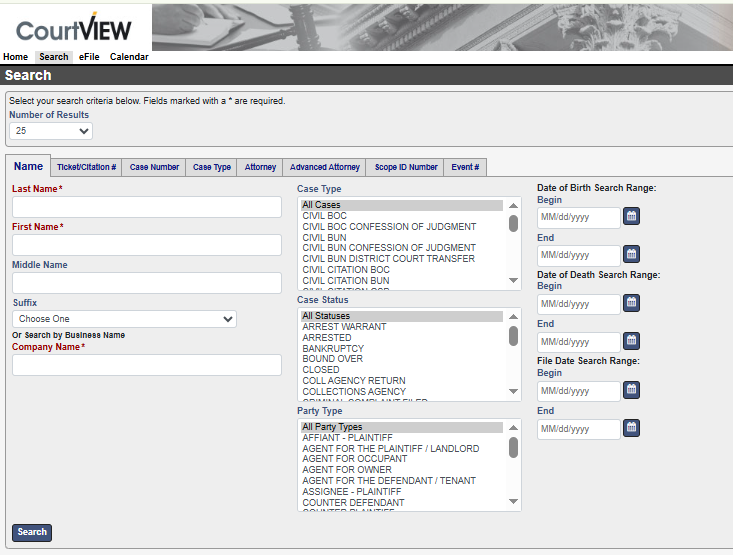
The online case search tool supports several search methods that help users locate records efficiently. Each option serves a different situation, depending on the details available.
Available search options include:
- Name Search: Enter last and first name to locate case participation
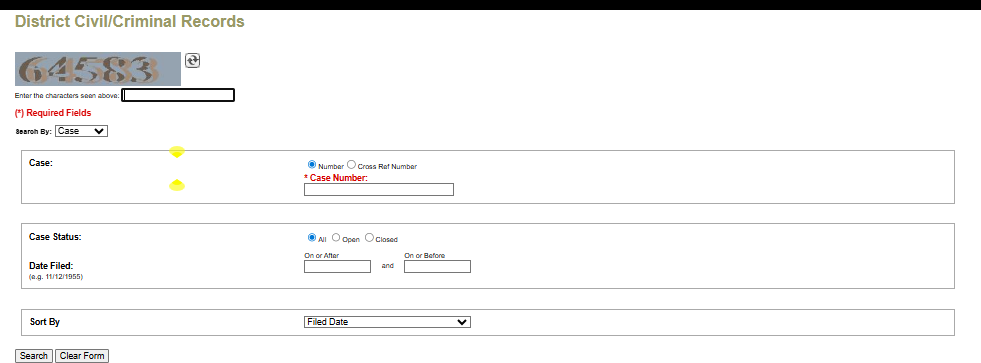
- Case Number Search: Enter the exact number for direct record matching
- Date Range Filters: Narrow results by filing or hearing period
- Case Type Filters: Focus on civil, criminal, family, or traffic matters
Steps to Search Process
Follow these steps to complete a search:
- Open one of the official URLs listed above
- Select a search method (name or case number)
- Enter accurate details into the search fields
- Apply filters such as case type or date range
- Complete verification prompts if shown
- Click search to view matching court records
Information Needed for Accurate Searches
Search accuracy improves when users prepare correct details beforehand.
Helpful information includes:
- Full legal name spelling
- Complete case number format
- Approximate filing year
- Correct case category selection
Types of Cases Handled by Clark County Court
Clark County Court manages a wide range of case filings that reflect the legal needs of residents and businesses. These local courts process matters related to disputes, offenses, family relationships, and property transfers. Each category follows its own procedures within the county judicial framework. This organized approach helps the system manage court case types efficiently. It improves public clarity about where legal disputes should be filed. As a result, users searching court information can match their needs with the proper filing path.
Civil Cases
Civil case filings address disagreements between parties where criminal penalties are not involved. These matters often arise from contracts, property use, or financial harm. The Clark County Court reviews evidence, hears arguments, and issues rulings that settle the dispute. Many civil filings begin through a formal complaint submitted to the clerk. Parties may reach resolution through hearings, negotiated settlement, or trial. These local courts handle a high volume of civil legal disputes every year.
Typical civil case types include:
- Contract disagreements
- Property ownership or boundary issues
- Landlord-tenant conflicts
- Personal injury claims
- Business or commercial disputes
Criminal Cases
Criminal case filings involve charges brought by the state against a person accused of breaking the law. These proceedings focus on accountability, public safety, and legal enforcement. The Clark County Court manages each stage from arraignment through judgment. Judges evaluate evidence and maintain courtroom procedure standards. Outcomes vary based on offense severity and case facts. Criminal matters represent a key portion of local court operations.
Criminal case categories handled include:
- Misdemeanor offenses
- Gross misdemeanor violations
- Felony charges
- Traffic-related offenses
- Probation or compliance hearings
Family Law Matters
Family law filings relate to domestic relationships and household responsibilities. These cases often affect long-term stability, so courts approach them with structured review. The Clark County Court evaluates documents, schedules hearings, and may request mediation. Decisions aim to support fairness and child welfare considerations. Many residents interact with local courts through these case types. This category forms an important part of county filings.
Common family law matters include:
- Divorce or separation petitions
- Child custody arrangements
- Visitation schedule disputes
- Support order determinations
- Adoption filings
Probate and Estate Cases
Probate case filings involve estate handling after death or incapacity. These proceedings confirm asset transfer and appointment of responsible representatives. Clark County Court oversees documentation and legal validation steps. This protects beneficiaries and maintains orderly property distribution. Estate matters often involve detailed records and timelines. Local courts manage these filings carefully within established statutes.
Typical probate and estate matters include:
- Will validation proceedings
- Estate administration
- Guardianship appointments
- Trust supervision
- Asset distribution reviews
Small Claims and Limited Jurisdiction Cases
Some legal disputes involve lower financial stakes or simplified procedures. Small claims and limited jurisdiction filings provide faster resolution paths. The Clark County Court uses streamlined hearings that reduce procedural complexity. These case types support efficient dispute settlement in local courts. Many self-represented parties use this route for county filings. This keeps minor disputes from overloading higher courts.
Examples include:
- Minor debt recovery
- Low-value property damage claims
- Consumer service disputes
- Contract payment disagreements
- Simple landlord-tenant issues
Jurisdiction & Legal Authority of Clark County Court
Jurisdiction defines the scope within which the Clark County Court may hear and decide cases. Its legal authority comes from state law, which sets clear boundaries on what matters local courts may handle. This framework shapes how court powers operate in daily practice. Jurisdiction determines where a case can be filed and what types of disputes qualify for review. Legal authority gives judges the right to issue rulings, orders, and judgments that carry legal weight. These rules create consistency across county filings and public proceedings. They guide residents in choosing the correct venue for legal disputes. A clear view of jurisdiction improves trust in the structure of the judicial system.
What Jurisdiction Means in County Courts
In county courts, jurisdiction refers to the official scope of responsibility granted to a court. It answers two main questions: whether a court may hear a case and whether it may issue a binding decision. This concept affects case eligibility and filing procedures. Without proper jurisdiction, a case may be dismissed or redirected. The Clark County Court applies authority under state law to confirm eligibility before proceedings begin. This review supports orderly handling of legal matters.
Jurisdiction typically involves:
- Authority to hear certain court case types
- Authority over people or entities involved
- Authority to enforce judgments
Geographic Jurisdiction of Clark County Court
Geographic jurisdiction limits court authority to a defined physical area. The Clark County Court handles matters linked to events, property, or parties located within county boundaries. Filings usually relate to incidents or agreements formed inside that region. This location-based rule prevents overlap between neighboring courts. It supports efficient management of local justice operations. Residents and organizations operating within the county fall under this territorial scope.
Geographic scope commonly covers:
- Incidents occurring within county limits
- Residents or businesses based locally
- Property located in the county
Subject-Matter Jurisdiction
Subject-matter jurisdiction defines which types of cases the court may consider. Clark County Court handles a range of legal disputes aligned with its authority under state law. Each category follows separate procedural standards and review paths. Court staff evaluate filings to confirm they match approved categories. This screening step maintains orderly docket management. Accepted matters then move forward through hearings or trial.
Approved subject areas include:
- Civil disputes
- Criminal proceedings
- Family law matters
- Probate and estate filings
Limits of Legal Authority
Legal authority has clear limits set by statutes and court hierarchy. Some cases exceed the jurisdiction of local courts and must proceed elsewhere. Higher courts may review or overturn certain decisions. Financial thresholds or offense severity may restrict eligibility. These limits prevent misuse of court powers and protect procedural balance. Respecting defined authority boundaries keeps the judicial process reliable and transparent.
Common limitations involve:
- Monetary thresholds for filings
- Case severity restrictions
- Appeal oversight by higher courts
- Statutory procedural requirements
How Case Filings Work in Clark County Court
Case filings mark the starting point of a legal matter within the county court system. A filing involves submitting court paperwork that formally asks the court to review or resolve a dispute.
This process connects residents and organizations with the local judicial process. Every case begins when documents reach the clerk’s office through approved methods. Proper case filings create an official record and set the timeline for hearings or responses. Clear procedures support transparency and public trust in local courts. Knowing how filings operate helps users submit legal documents correctly. It reduces delays and improves case handling within the county court system.
What Is a Case Filing?
A case filing refers to submitting official documents that request court action. These documents explain the issue, identify involved parties, and state the outcome sought. Once accepted, the court assigns a case number and enters the matter into its records. This step marks the beginning of the legal process. Accurate paperwork supports smoother case review and scheduling. The filing step shapes how the court tracks and manages disputes.
Typical filing documents include:
- Complaints or petitions
- Responses or answers
- Motions requesting action
- Supporting evidence records
Filing Methods
Clark County Court provides several ways to file a case based on convenience and eligibility. Each method allows parties to submit legal documents securely. Users may choose a traditional visit or remote submission path. Selecting the correct method supports efficient processing. Instructions differ slightly depending on case type. Court websites or clerk offices provide current filing details.
Common filing methods:
- In-person: Submit court paperwork at the clerk counter
- Online: Upload documents through electronic filing systems
- Mail: Send signed paperwork to the appropriate office
Filing Fees and Waivers
Most case filings require payment of statutory fees that cover processing costs. Fee amounts vary depending on case category and document type. Courts publish schedules that outline expected charges. Some parties may qualify for a fee waiver based on financial status. Approved waivers allow filings without upfront payment. This supports fairness in public participation within the county court system.
Fee considerations include:
- Case category fee differences
- Additional document charges
- Payment method acceptance
- Waiver application forms
Role of the Court Clerk
The court clerk plays a central role in managing filings and records. Clerks receive court paperwork, verify completeness, and enter details into the system. They assign case numbers and maintain document storage. Their work supports judges and court staff throughout proceedings. Clerks help maintain accurate records for future reference. This function supports efficient case flow across local courts.
Clerk responsibilities include:
- Receiving submissions
- Reviewing documentation format
- Recording case details
- Maintaining filing records
Accessing Clark County Court Records
Clark County court records include official documents created during legal proceedings, and many of them are available for public review. These records support transparency by allowing residents to view case activity through approved court records access methods.
Within the local justice framework, judicial records serve as documented history of filings, hearings, and decisions. They provide structured information that supports accountability and public trust. Clark County court records may be searched online, requested through clerk offices, or viewed at courthouse terminals. Availability depends on record classification and privacy protections. Clear knowledge of record types helps users identify what information may be reviewed. This section explains the scope, purpose, and responsible use of public court documents.
What Court Records Are
Court records refer to documented materials created or filed during legal proceedings. These legal case records show the progress and outcome of disputes handled by the court. They form part of the official archive maintained by court staff. Entries may include pleadings, orders, schedules, and judgments. Each document reflects a step within the judicial process. Clark County court records act as reference material for parties, researchers, and background verification needs.
Examples of judicial records include:
- Case filings and motions
- Hearing or trial schedules
- Court orders or rulings
- Judgments and disposition details
Public vs Restricted Records
Not every legal case record is open for viewing. Courts separate documents into public and restricted categories. Public records may be examined through court records access tools or in-person review. Restricted materials remain protected under law to preserve privacy or safety. This distinction balances openness with responsible data handling. Clark County court records follow established rules that define which materials remain visible.
Common public records:
- Civil case summaries
- Criminal docket entries
- Non-confidential filings
Common restricted records:
- Juvenile case details
- Sealed proceedings
- Sensitive personal data
Why People Search Court Records
People review public court documents for many practical reasons. Clark County court records support verification and research tasks. Employers, property managers, and journalists often rely on these sources. Parties involved in disputes monitor updates on active cases. Others conduct historical or academic review of legal case records. These searches reflect routine use within community and business activities.
Typical reasons include:
- Checking case status
- Conducting background review
- Verifying legal outcomes
- Researching court activity
Legal Use of Court Records
Using judicial records carries legal responsibility. Public court documents must be handled within lawful boundaries. Data from Clark County court records cannot support harassment, identity misuse, or misleading representation. Courts expect responsible use aligned with applicable statutes. Respecting these limits protects personal privacy and system integrity. Proper handling preserves trust in public records availability.
Responsible practices include:
- Using information for lawful review
- Respecting confidentiality limits
- Avoiding misuse of personal details
- Following posted record policies
Requesting Court Records In Person or by Mail
Court records access remains available for users who prefer offline methods through the courthouse or written correspondence. These options support requests for official copies when online tools are not suitable or when certified documents are needed.
Many people visit the courthouse or send mail requests to obtain verified paperwork. This approach allows direct interaction with staff and offers clarity on request procedures. Clark County courts maintain structured systems that manage records requests efficiently. Proper preparation improves response time and reduces repeat submissions. Each method follows clear documentation and identification steps. The sections below explain how offline requests typically work.
In-Person Requests
Visiting the courthouse allows users to submit a records request directly at the clerk’s service counter. Staff members help locate files and explain copy options. This method works well for users who require immediate clarification. Some records may be viewed onsite before requesting official copies. Availability depends on public status and archive location. Courthouse visits often provide the fastest path for urgent document needs.
Typical steps include:
- Provide case details or party names
- Complete a request form
- Present identification if required
- Pay copy or certification fees
Mail Request Process
Mail requests provide an alternative for users who cannot travel to the courthouse. Written submissions allow the clerk to locate and prepare documents remotely. Clear instructions help avoid delays during handling. Requests should include detailed case identifiers and contact information. Payment instructions must follow court policy. This method suits routine records request needs.
Mail submission usually includes:
- Written request describing needed documents
- Case number or participant name
- Return address and contact details
- Payment or fee authorization
Identification and Processing Timeframes
Identification may be required to confirm eligibility or document release conditions. This protects privacy and record accuracy. Processing timeframes vary depending on record location and request complexity. Archived files may take longer to retrieve. Certified documents require extra preparation steps. Courts publish general timelines for reference.
Factors affecting timing include:
- Record age or storage location
- Volume of requested copies
- Certification requirements
- Payment confirmation
Fees, Processing Time & Record Restrictions
Court records requests often involve fees, wait periods, and limits set by legal authority. These rules shape record availability and help courts balance transparency with privacy. Clear expectations reduce confusion and prevent rejected requests. Costs vary by document type and delivery method. Timeframes depend on workload and record location. Court privacy rules define which materials remain open to public view.
Copy and Certification Fees
Courts charge fees to cover document handling and verification. Standard copies suit personal reference, research, or file review. Certified documents carry an official seal that confirms authenticity for formal use. Fee schedules follow statutes and local policies. Payment methods and amounts depend on format and request channel. Reviewing current rates before submitting a request saves time.
Typical fee ranges include:
- Uncertified copy: about $0.50 per page
- Certified copy: about $6.00 per page
- Online document copy: about $1.00 per page
- Online certification: about $4.00 per document
- Transaction processing: roughly 2% plus a flat service charge
Processing Timelines
Processing time varies by request type and delivery option. Digital delivery often moves faster than mailed copies. Recently filed records usually require less retrieval time than archived files. Large orders and certified documents take longer to prepare. Clerk workload and payment confirmation affect completion speed. Courts provide estimates rather than fixed deadlines.
Common timeframes include:
- Email or portal delivery: 1–2 business days
- Domestic mail delivery: 7–10 business days
- International delivery: up to 6 weeks
- Archive retrieval: longer review period
Sealed Records and Legal Restrictions
Not all court records are open to public view. Court privacy rules protect sensitive information and ongoing matters. Sealed or confidential files remain restricted under legal authority. Redacted versions may appear in place of protected documents. Misuse of records may lead to penalties. Respecting public access limits supports lawful use.
Common restrictions apply to:
- Juvenile case materials
- Sealed proceedings
- Adoption records
- Personal identifiers
- Sensitive family matters
Courthouse Locations & Facilities
Clark County Court operates through multiple courthouse locations that serve residents, attorneys, and visitors across the county. These court buildings support hearings, filings, and public services tied to different case types. Each judicial facility follows standardized procedures while serving specific functions. Knowing where to go helps users avoid delays and missed appointments. This section explains the primary courthouse, specialty locations, and what to expect during a visit.
Main Courthouse
The Regional Justice Center (RJC) serves as the primary courthouse for Clark County Court. It handles a large portion of civil, criminal, and family law proceedings. Many clerk offices and courtrooms operate from this location. Visitors often attend hearings, submit filings, or request court records here. The building supports high public traffic and offers clear wayfinding services.
Main Courthouse Details:
- Name: Regional Justice Center
- Address: 200 Lewis Avenue, Las Vegas, NV 89155
- Phone Number: (702) 671-4528
- Office Hours: Monday–Friday, 8:00 AM to 5:00 PM (excluding court holidays)
Satellite and Specialty Court Locations
Clark County Court operates additional court locations to manage specific case types and regional demand. These facilities help reduce congestion at the main courthouse. Some focus on family law, probate matters, or limited jurisdiction cases. Others serve justice court functions. Each court location follows standard procedures and schedules. Users should confirm the assigned location listed on their case paperwork.
Common specialty court locations include:
- Family court facilities
- Justice court buildings
- Small claims and traffic courts
- Regional judicial facilities
Accessibility, Parking, and Security
Courthouse facilities meet accessibility standards for public use. Elevators, ramps, and accessible restrooms are available. Parking options include nearby garages and street parking, though availability may be limited. All visitors pass through security screening upon entry. Certain personal items are restricted inside court buildings.
Visitor guidelines include:
- Security screening at entrances
- Accessible entrances and elevators
- Limited public parking options
- Prohibited items enforcement
Frequently Asked Questions
This FAQ section answers common questions people ask about Clark County Court and court records access. Each response uses clear language to help users find quick, reliable answers.
What cases does Clark County Court handle?
Clark County Court manages a wide range of case types that affect residents and local businesses. These include civil disputes, criminal matters, family law cases, probate filings, and limited jurisdiction cases. Civil cases often involve contracts, property issues, or personal injury claims. Criminal matters include misdemeanors and felony proceedings. Family law cases cover divorce, custody, and support matters. Probate cases involve estate administration and guardianship filings. Each case type follows specific procedures set by court rules.
Are Clark County Court records public?
Many Clark County Court records are open for public review, yet access depends on the type of case and document. Public court records may include civil filings, criminal dockets, and non-confidential orders. Some records remain restricted to protect privacy or sensitive information. Juvenile cases, sealed matters, and certain family law documents are not publicly available. Court privacy rules determine record availability and protect personal data. Users should expect limits on court records access for protected cases.
How long does it take to get court records?
The time required to receive court records depends on the request method and document type. Online searches often provide immediate case summaries. Requests for copies may take longer to process. Digital delivery usually takes one to two business days once payment clears. Mailed copies may take seven to ten business days, depending on volume and location. Archived or certified records often require extra processing time. Planning ahead helps avoid delays.
Can I search Clark County Court records online?
Clark County Court offers online tools that allow users to search court records by name or case number. These systems support public access to eligible records through official court websites. Online search tools help users check case status, filing dates, and hearing schedules. Some records may display limited details due to privacy restrictions. Accurate spelling and full names improve search results. Online access supports quick information review without visiting the courthouse.
What information do I need to find a court case?
Searching for a court case works best with accurate details. A case number provides the most direct match. Full legal names and approximate filing dates help narrow results. Case type selection improves accuracy when searching by name. Using correct information supports smoother court records access and reduces confusion during searches.