Clark County Municipal Court is the city’s local court that handles cases like traffic tickets, minor civil disputes, and city ordinance violations. It provides residents and local businesses with a clear and accessible way to resolve legal issues within the city limits. The court focuses on enforcing local laws efficiently and fairly, ensuring that everyday legal matters are addressed promptly. People turn to this municipal court for matters that do not need higher-level county or state courts. For local businesses, addressing legal concerns here can prevent fines and maintain compliance with city rules.
Clark County Municipal Court also plays a key role in helping the community follow city regulations. Cases commonly handled include traffic violations, small claims, and ordinance infractions such as noise or building code violations. The court offers resources like online fine payments, case tracking, and scheduling for hearings. By handling city-level disputes, the municipal court makes it easier for residents and businesses to manage their legal responsibilities without unnecessary delays. Understanding its role helps the community stay informed and avoid penalties.
How to Search for Cases in Clark County Municipal Court
Here’s a complete user guide on how to perform a Clark County Municipal Court case search, traffic ticket lookup, and public records access using the official Clark County Court Las Vegas Municipal Court system in Nevada.
Las Vegas Municipal Court Case Search (Official): https://municourt.lasvegasnevada.gov/?q=node/391
Open the Official Portal
- Go to the case search page:
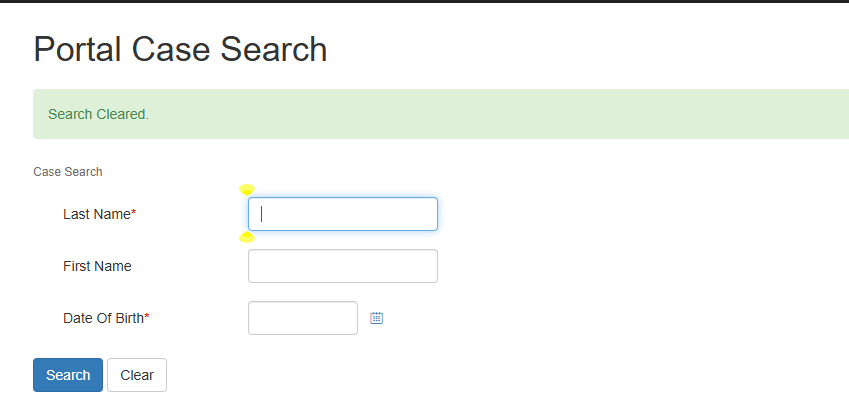
https://municourt.lasvegasnevada.gov/?q=node/391 - You’ll see a “Search Case” form.
Enter Required Search Info
A good search depends on entering the right information. The most useful fields are:
Last Name*
First Name (optional but helpful)
Date of Birth*
(Sometimes) CAPTCHA verification
Complete the CAPTCHA
Before submitting, type the characters shown in the CAPTCHA box. This protects the system from automated queries.
Submit the Search
Click Search and wait for the results to load. If the system finds a matching record, it will show a list of cases associated with the name or DOB provided.
What You Can See After Searching
Once you find a case, the municipal court lookup database typically displays:
• Case number
• Defendant’s name
• Case type (e.g., traffic, ordinance, misdemeanor)
• Hearing dates and times
• Case status (open, pending, closed)
• Fines or fees due (if any)
Traffic Ticket Lookup
For Nevada traffic citations handled by the Las Vegas Municipal Court:
- If you have a traffic citation number, enter the last name, first name, and DOB in the search tool above.
- Search results may show status, fines, court date, and payment options.
- If the ticket has not yet been entered into the system, wait a few business days and check again — sometimes new tickets take time to appear.
Public Records & Case Documents
The online case search shows public municipal records, including:
- Traffic infractions
- Ordinance violations
- Minor misdemeanor case info
Types of Cases Handled in Clark County Municipal Court
Clark County Municipal Court Case Types cover a variety of legal matters that affect both residents and local businesses in Clark County, Nevada. The court handles traffic violations, ordinance cases, minor civil disputes, and certain misdemeanors. These cases are typically resolved faster than in higher courts, providing a practical and accessible way for people to manage local legal issues. Understanding the types of cases handled by this court helps residents know where to file complaints, pay fines, or check case status.
Traffic Violations
Traffic violations are among the most common cases in Clark County Municipal Court. They involve offenses under city and state traffic laws, and the court handles both minor and more serious moving violations. Traffic cases ensure that drivers comply with local safety regulations, and they often include financial penalties, points on driving records, or court appearances.
Common Examples Include:
- Speeding tickets for exceeding posted limits
- DUI (Driving Under the Influence) offenses
- Red light or stop sign violations
- Seat belt or child restraint violations
- Parking fines and non-moving infractions
Penalties and Fines:
- Minor infractions usually carry fixed fines.
- Moving violations may include points and higher fines.
- DUI cases can result in fines, license suspension, or jail time.
- Fines vary based on violation type and circumstances.
Ordinance Cases
Ordinance cases involve violations of city regulations designed to maintain community safety, health, and standards. The court ensures residents and businesses comply with local laws while providing fair resolutions to violations. Ordinance cases typically arise from complaints made by city officials or local law enforcement.
Examples of Ordinance Violations:
- Excessive noise complaints
- Property maintenance or cleanup violations
- Illegal signage or display issues
- Animal control or leash law violations
Legal procedures for ordinance cases usually start with a citation or notice. At the hearing, the defendant may admit responsibility, contest the charge, or work with city attorneys to reach a resolution. Typical outcomes include fines, compliance orders, or deferred dispositions if corrective actions are completed. This ensures the community resolves minor issues quickly without escalating conflicts.
Minor Civil Cases
Minor civil cases cover disputes involving small amounts of money or local contracts. Clark County Municipal Court provides a practical venue for residents and businesses to settle disputes without high costs or lengthy procedures, making justice more accessible at the municipal level.
Types of Minor Civil Cases:
- Small claims under a specific monetary limit (often under $10,000)
- Contract disputes or unpaid service claims
- Property damage claims within court limits
Filing Procedures:
- Complete a complaint form at the courthouse or online.
- Pay the required filing fee.
- Serve the defendant with notice of the lawsuit.
- Attend the scheduled court date to present evidence and testimony.
Misdemeanor Handling
Municipal misdemeanors are criminal matters less serious than felonies but more significant than traffic infractions. Clark County Municipal Court handles misdemeanors that fall under city ordinances, while other misdemeanors are referred to county or district courts.
Examples of Municipal Misdemeanors:
- Disorderly conduct under city law
- Minor drug possession under local ordinances
- Simple assault or petty criminal offenses
Jurisdiction Notes:
- Municipal Court: handles city ordinance-related misdemeanors.
- County/District Court: handles serious state-law misdemeanors requiring broader jurisdiction or jury trials.
How to File or Respond to a Case in Clark County Municipal Court
Municipal Court procedures in Clark County allow residents and local businesses to file a case or respond to one efficiently. The Clark County city court handles minor civil disputes, ordinance violations, and traffic citations, providing a clear process for managing legal matters. Knowing the proper steps helps individuals avoid missed deadlines, reduce fines, and ensure cases are resolved fairly without unnecessary complications.
Filing a Case
Filing a case in Clark County city court is the first step for residents or businesses seeking resolution for minor civil disputes or ordinance violations. The process is designed to be straightforward, and the court provides forms online and at the courthouse to make filing accessible. Understanding the requirements and steps ensures the case is accepted and scheduled without delays. Proper preparation also minimizes errors that could result in re-filing or postponements.
Steps to File a Case:
- Determine the type of case (civil or ordinance).
- Complete the required complaint or petition form.
- Pay the filing fee, which varies depending on the case type.
- Serve notice to the defendant, informing them of the lawsuit.
- Attend the scheduled court date to present evidence and arguments.
Responding to Traffic Tickets or Citations
When you receive a traffic ticket or citation, it’s important to respond promptly to avoid penalties. Clark County city court provides options to pay fines, contest tickets, or request hearings. Being prepared and following the steps ensures your case is handled efficiently and reduces the chance of additional fines or legal complications.
How to Respond:
- Pay the fine online or in person if you accept the citation.
- Request a hearing to contest the ticket or explain circumstances.
- Gather supporting documents such as insurance, registration, or witness statements.
- Attend the scheduled court date to present your case.
Deadlines, Fees, and Common Mistakes
Adhering to deadlines and paying the correct fees is critical in municipal court procedures. Missing these deadlines or submitting incomplete forms can cause delays, additional fines, or even case dismissal. Understanding common errors helps users navigate the court system more efficiently.
Key Points:
- Filing fees vary by case type; minor civil cases often cost less than ordinance violations.
- Deadlines apply for responding to tickets, filing complaints, and submitting evidence.
- Common mistakes include typos, missed deadlines, or incorrect payments.
- Always review forms before submission and confirm that notices to other parties are completed.
Tips for Navigating the Court System Without a Lawyer
Many cases in Clark County city court can be handled without legal representation. Following clear guidelines and using court resources helps residents manage their cases independently while ensuring compliance with all procedures.
Practical Tips:
- Read instructions carefully on official forms and websites.
- Use online guides for filing, fee calculation, and case tracking.
- Keep copies of all documents submitted to the court.
- Prepare thoroughly for hearings with evidence, notes, and witnesses.
- Ask court clerks for guidance on procedural questions (not legal advice).
Court Processes and Hearings
Clark County Municipal Court oversees cases within its local jurisdiction, ensuring that minor civil disputes, ordinance violations, traffic infractions, and certain misdemeanors are handled fairly. The court operates under clear procedures designed to give residents and businesses a predictable path for resolving disputes. Knowing what to expect during court processes and hearings helps individuals manage their cases efficiently and avoid unnecessary delays or penalties.
Pre-Trial Procedures
Before a case reaches a hearing, municipal court procedures require several preliminary steps. These ensure that all parties are properly notified and have the opportunity to prepare. Notices are typically mailed or delivered to inform defendants of charges, required appearances, or deadlines for responding to complaints.
Key Pre-Trial Steps:
- Receipt of official notice or citation.
- Confirming the date and time for initial court appearance.
- Filing necessary responses or motions, if disputing a case.
- Communicating with court clerks for clarification or procedural questions.
- Ensuring all documents, payments, or evidence are submitted on time.
Hearing Types
Once pre-trial procedures are complete, cases are scheduled for hearings. Clark County Municipal Court handles different types of hearings depending on the nature of the case, from minor traffic matters to ordinance violations. Each hearing type has unique procedures and expectations.
Common Hearing Types:
- Traffic Hearings – for moving violations, DUI cases, or parking infractions.
- Civil Hearings – for small claims or disputes under local statutes.
- Ordinance Hearings – for local law or property code violations.
Settlement, Plea Agreements, and Minor Case Resolutions
Many cases in local jurisdiction are resolved before a full trial. Municipal courts encourage settlements or plea agreements, particularly for minor offenses and traffic violations. These resolutions can save time for both the court and the parties involved, avoiding prolonged legal proceedings.
Resolution Options Include:
- Settlement agreements – parties agree to terms outside of a full hearing.
- Plea agreements – defendants admit guilt in exchange for reduced penalties or fines.
- Minor case resolutions – fines or compliance orders are issued for ordinance or small civil matters without a full trial.
What to Expect in Court
Attending a hearing in Clark County Municipal Court can be straightforward if you understand the roles of court personnel and courtroom procedures. The court environment is formal but designed to be accessible to non-lawyers. Knowing what to expect helps defendants and plaintiffs feel prepared and confident.
Courtroom Expectations:
- Judges – preside over the case, make rulings, and maintain courtroom order.
- Clerks – handle filing, record-keeping, and assist with procedural questions.
- Evidence presentation – documents, photos, or witness statements are reviewed to support each party’s position.
- Orderly conduct – attendees must follow courtroom rules, including respectful communication and proper attire.
Paying Fines, Settlements, and Court Records
Handling traffic violations and other municipal cases in Clark County city court requires understanding payment options, settlements, and access to public court records. Paying fines on time, setting up payment plans, and reviewing case outcomes ensures compliance with the law and prevents additional penalties. The court provides convenient online and in-person systems to manage these responsibilities efficiently.
How to Pay Fines Online or In-Person
Residents and businesses can pay fines for traffic tickets, ordinance violations, or minor civil cases through Clark County city court. The court offers multiple payment methods to ensure flexibility and convenience.
Payment Options:
- Online payments – visit the official [online payment portal] to submit fines using a credit or debit card.
- In-person payments – visit the courthouse during business hours to pay fines at the clerk’s office.
- Mail-in payments – some fines can be paid by sending a check or money order with proper documentation.
Paying fines promptly avoids late fees, points on driving records, or additional court actions. Online systems are particularly helpful for residents who want to manage multiple cases or confirm payment status quickly.
Setting Up Payment Plans
For larger fines or multiple cases, the court may allow payment plans to spread costs over time. Setting up a payment plan requires contacting the court and providing financial information to determine eligibility.
Key Points for Payment Plans:
- Plans are available for qualifying cases and may require formal approval.
- Monthly installments must be paid on time to avoid default.
- Partial payments may be accepted initially, but full compliance is necessary.
- Online portals often allow tracking of remaining balances and payment history.
Accessing Public Records and Case Outcomes
Clark County city court maintains public court records to provide transparency and allow residents to track case outcomes. These records include information about traffic violations, ordinance cases, and minor civil disputes that are not sealed or restricted by law.
How to Access Records:
- Use the online case lookup tool for quick searches by name, case number, or citation number.
- Review fines, court orders, hearing dates, and case resolutions.
- Understand limitations: some juvenile cases, sealed records, or sensitive data may not be publicly available.
- Contact the clerk’s office if additional official documentation or certified copies are needed.
Municipal Court Locations in Nevada
Here are the accurate locations, contact details, and office hours for the primary municipal courts serving Clark County, Nevada. These city courts handle traffic violations, local ordinance cases, minor civil matters, and certain misdemeanors within their respective local jurisdiction.
Las Vegas Municipal Court
This is the main municipal court serving the City of Las Vegas portion of Clark County. It handles city traffic citations, ordinance violations, minor civil cases, and municipal hearings for Las Vegas residents and businesses. The courthouse is located downtown and is open consistently for filings, payments, and court services.
Address: 100 E Clark Ave, 3rd Floor, Las Vegas, NV 89101
Phone: (702) 382-6878 (702-38-COURT)
Office Hours: Monday through Thursday, 7:00 AM – 5:00 PM (some sources show 7:30 AM start as well; check the site before visiting)
Mailing Address: P.O. Box 3950, Las Vegas, NV 89127 (for fines or documents)
Note: A DMV kiosk is available in the lobby to assist with driver-related matters during normal business hours.
North Las Vegas Municipal Court
This municipal court serves the City of North Las Vegas area of Clark County. If your case or citation was issued within North Las Vegas city limits, this is the correct court location for filing or responding.
Address: 2332 Las Vegas Blvd N, Suite 100, North Las Vegas, NV 89030
Phone: (702) 633-1130
Office Hours: Monday through Thursday, 7:00 AM – 5:00 PM
Henderson Municipal Court (Clark County)
The City of Henderson also operates its own municipal court for cases arising within the city boundaries. This location manages municipal ordinance violations, traffic matters, and minor civil cases for Henderson residents.
Address: 243 Water Street, 3rd Floor, Henderson, NV 89015
Phone: (702) 267-3300 (Clerk’s Office)
Office Hours: Monday through Thursday, 7:45 AM – 5:00 PM (closed Friday–Sunday)
Mailing Address: PO Box 95050 – MS621, Henderson, NV 89009-5050
How to Choose the Right Court Location
- If your ticket or case was issued in the City of Las Vegas, go to the Las Vegas Municipal Court at Clark Avenue.
- For citations from North Las Vegas city limits, use the North Las Vegas Municipal Court location.
- For cases arising in Henderson, file or respond at the Henderson Municipal Court.
Frequently Asked Questions
Residents and businesses often have questions about Clark County Municipal Court procedures. Knowing how the city court operates within its local jurisdiction helps individuals manage traffic tickets, ordinance violations, minor civil disputes, and misdemeanors effectively. This FAQ section provides detailed answers and practical guidance for handling cases smoothly and avoiding unnecessary fines or delays.
How Long Do Traffic Tickets Stay on Record?
Traffic tickets in Clark County city court remain on a driver’s record depending on the severity of the violation. Minor infractions, like parking violations or seatbelt tickets, may stay on record for only a few months and generally have no impact on insurance. Moving violations, such as speeding, reckless driving, or DUI offenses, often remain for three to five years and can affect insurance rates and driving privileges. Serious offenses, like DUIs or multiple repeated violations, may stay indefinitely. Using the ticket lookup tool, residents can track open cases, verify that fines have been paid, and confirm completion of required programs, such as defensive driving or alcohol education. Timely compliance prevents late fees, license suspension, or additional legal action.
Can I Contest a Civil Case Without a Lawyer?
Many minor civil disputes in Clark County Municipal Court can be contested without legal representation. Individuals can file complaints, present evidence, and respond to claims following the court’s procedures. It is important to gather supporting documents such as contracts, receipts, photographs, or emails to substantiate your case. Attending hearings on time, dressing appropriately, and organizing your evidence improves your chance of a favorable resolution. The clerk’s office can help clarify procedural steps, such as filing forms or scheduling hearings, but they cannot provide legal advice. Preparing a clear summary of your arguments in advance allows for a confident presentation during court proceedings.
What Are Common Ordinance Violations?
Ordinance cases in city court typically arise from violations of local laws intended to maintain community standards. Common examples include noise complaints from businesses or residential properties, property maintenance issues like overgrown lawns or accumulation of trash, illegal signage or posters, and pet control or leash law violations. Once a citation is issued, the court may schedule a hearing where the defendant can admit the violation, contest it, or work out a resolution with city authorities. Resolutions often involve paying fines or correcting the issue within a specified deadline. Acting promptly and understanding the applicable ordinance can prevent further penalties or escalation to additional court actions.
How Are Misdemeanors Different from Civil Cases?
Misdemeanors in Clark County city court are treated as criminal matters, while civil disputes focus on resolving financial or property conflicts. Misdemeanors can result in fines, community service, probation, or short-term jail sentences, and defendants have the right to legal representation. Civil cases, on the other hand, typically involve monetary compensation, small claims, or corrective orders without criminal consequences. Misdemeanors require stricter procedural rules, including formal hearings, presentation of evidence, and sometimes law enforcement involvement. Understanding the difference allows individuals to prepare accordingly for courtroom expectations, evidence requirements, and potential penalties.
Can I Pay Fines Online or Set Up a Plan?
Clark County Municipal Court offers multiple ways to pay fines for traffic tickets, ordinance cases, and minor civil disputes. Payments can be made online through the official portal, in person at the courthouse, or by mail. For larger fines, residents may qualify for a payment plan that spreads costs over several months, with installments due on a set schedule. The online system allows users to view remaining balances, confirm payments, and track progress. Paying promptly or establishing a plan avoids late fees, potential license holds, and collection actions. Proper management of fines also helps maintain a clean record and avoids complications with future court matters.
How Can I Access Public Court Records?
The Clark County city court maintains public court records for traffic violations, ordinance cases, minor civil disputes, and municipal misdemeanors, with certain exceptions like juvenile or sealed cases. Residents can use the online case lookup tool to search by case number, citation number, or name to review fines, hearing dates, or case outcomes. Certified copies can be requested through the clerk’s office for official purposes, such as employment verification or insurance claims. Accessing public records helps residents track legal obligations, confirm payments, and maintain accurate personal or business records. Understanding which records are public and which are restricted ensures proper and legal use of the information.